















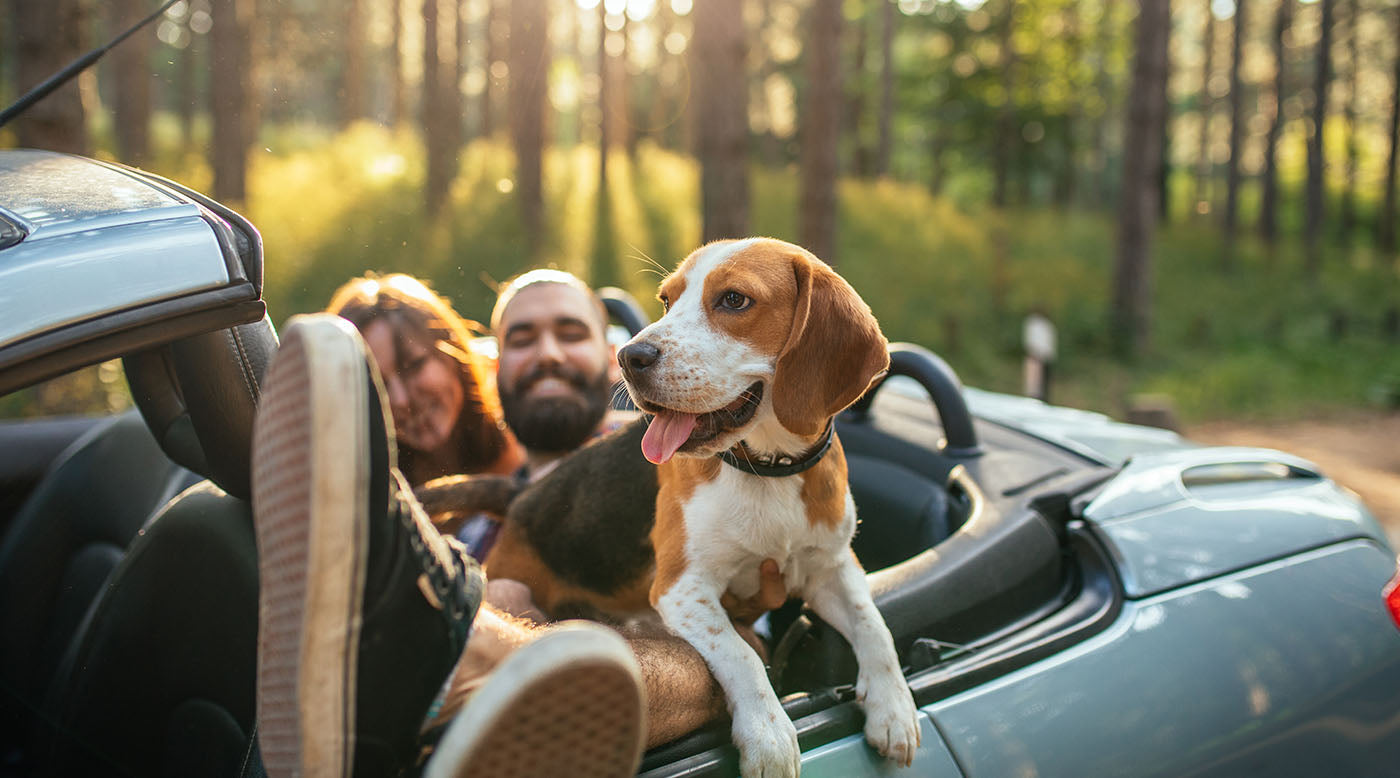
For many, spring is the perfect time to get back out, enjoy the first warm days, and discover new places. If you have a dog, a crucial question automatically arises: do you take them with you or do they stay at home?
For most, the answer is clear. Of course, the dog should come along. After all, they are part of the family. But this is exactly where the real challenge begins. Because traveling with a dog means more than just choosing a destination and heading off.
In this article, we'll show you what to consider when traveling with a dog, how to avoid stress, and why good preparation is the key to a truly relaxed trip. At the same time, we'll take a look at an area that is often underestimated: your dog's dental health on the go.
Because daily routines change, especially when traveling. And that directly affects your four-legged friend.
Why Travel is More Than Just a Change of Scenery for Your Dog
For you, travel usually means relaxation, variety, and new experiences. For your dog, it often looks very different. Their daily life is strongly based on habits, familiar smells, and fixed routines. As soon as you change this structure, a phase of adaptation begins for them.
This starts with the journey itself. New noises, unusual movements in the car, or longer distances can be strenuous for your dog. Added to this is the new environment at the destination: different smells, new paths, unfamiliar background noises. Your dog has to process all of this first. What sounds like an adventure to you can initially mean uncertainty for your dog.
That's why it's so important to plan trips not just from your perspective, but from theirs too. A relaxed dog isn't created by chance. It's created through preparation, understanding, and small, conscious decisions.
If you ensure early on to give your dog security, maintain fixed rituals, and allow them enough time to adjust, the trip will gradually become a positive experience.
And this is also where it becomes clear why details suddenly play a bigger role than in everyday life.
Traveling with a Dog – What to Pay Special Attention to in Spring
Spring brings many advantages: milder temperatures, longer days, and an environment that comes alive again. At the same time, however, new demands arise that you should keep in mind.
An important point is the weather. Especially in spring, it can change quickly. Cool in the morning, warm at noon, fresh again in the evening. For your dog, this means they constantly have to adapt. Especially on longer excursions or hikes, you should make sure they neither get too cold nor overheat.
Nature also plays a role. Meadows, fields, and forests invite exploration but also bring new stimuli. Pollen, plants, or small animals can further challenge your dog. Especially if they are sensitive, it's worth staying attentive. Traveling with a dog always means being flexible and responding to your dog.
Another often underestimated point is routine. Feeding times, rest periods, and even grooming routines quickly shift when traveling. This can lead to your dog feeling more restless or reacting more sensitively than usual. And this is where an area often forgotten comes into play: dental care.
Dental Care on the Go – Why It’s Often Underestimated
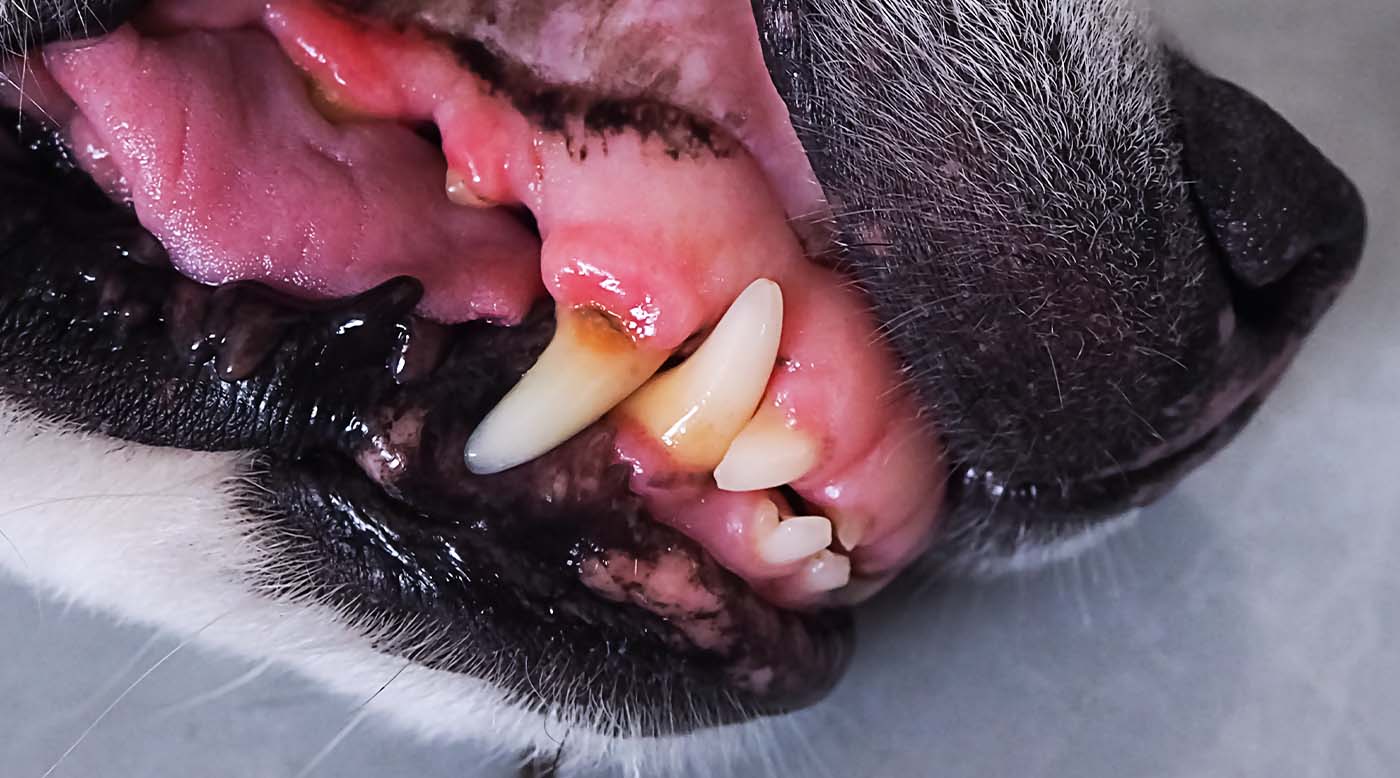
When you plan to travel with your dog, you probably first think about things like food, leash, a sleeping place, or maybe even your four-legged friend's favorite blanket. These are all important points, no question. But one area often falls by the wayside, even though it's just as natural a part of everyday life: dental care.
Especially when traveling, daily routines often change significantly. Feeding times shift, snacks are given on the go, your dog might chew more on new things, or receive treats they don't usually get at home. All of this has a direct impact on your dog's mouth.
In addition, fixed routines are quickly lost. What happens naturally at home is often omitted on the road. Perhaps because the day is full, because you're tired, or because it just doesn't fit into the schedule. This is precisely where the challenge begins.
Because while many things in daily life can be flexible, your dog's mouth reacts sensitively to changes. Bacteria, plaque, and residue don't just appear after weeks, but continuously. If you completely neglect dental care, it can become noticeable sooner than you think.
Therefore, it's worth consciously considering this area. Not complicated, not exaggerated, but simply as an integral part of your shared routine.
Relaxed Dental Care on the Go – Why Less Stress Often Means More
When traveling, it's not about implementing everything as perfectly as at home. Much more important is that your dog feels comfortable and is not additionally stressed. That's why dental care should also be adapted to the situation.
Many dogs react sensitively to changes. New surroundings, new impressions, different smells. If an unfamiliar or unpleasant dental care routine is added, it can quickly lead to resistance. Therefore, it is crucial that dental care feels calm and familiar to your dog.
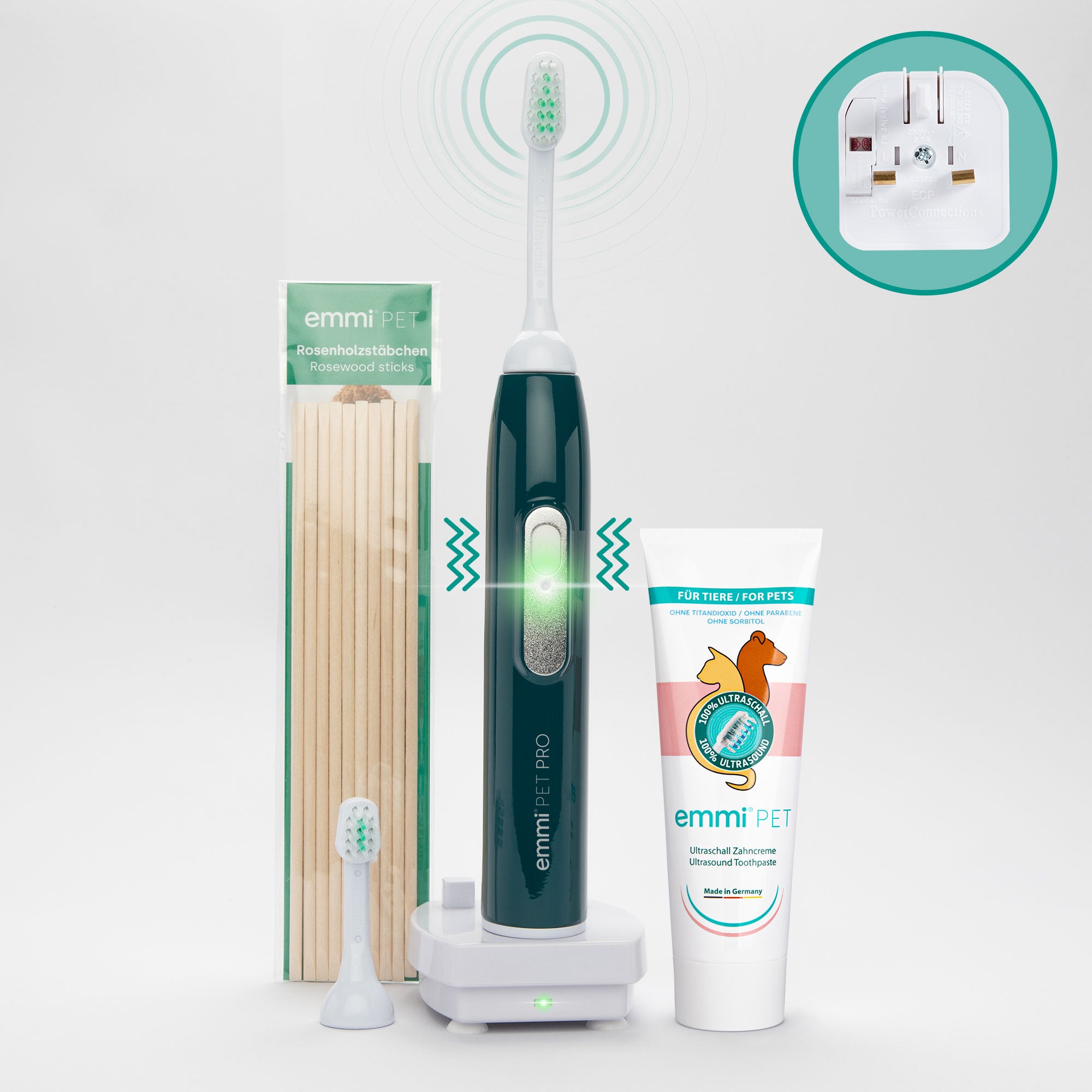
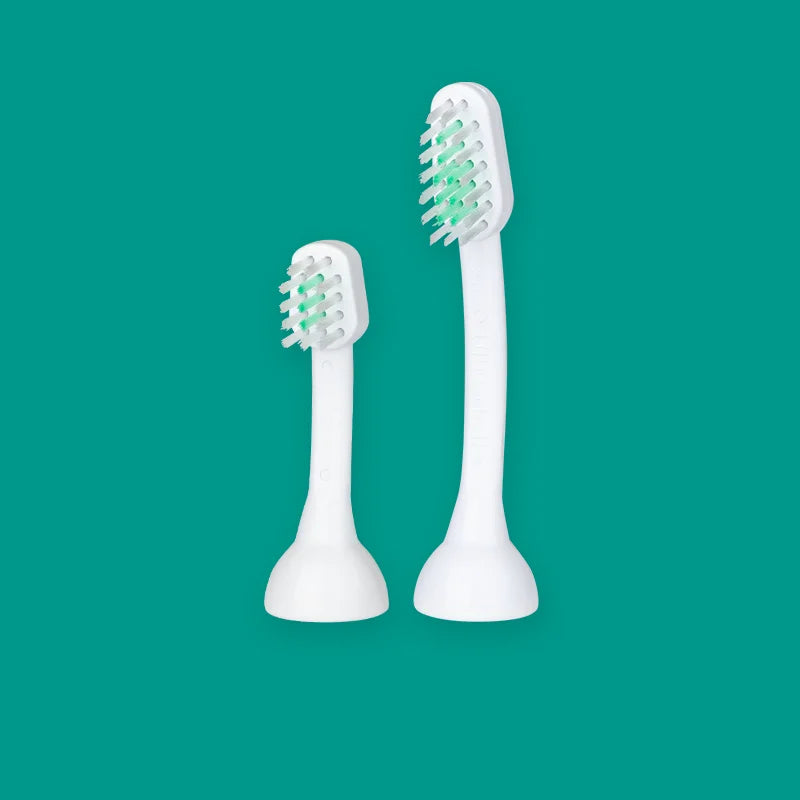
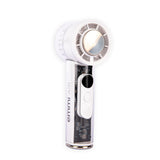
This is precisely where our emmi-pet NEO ultrasonic toothbrush for dogs comes in. It was developed with the clear goal of adapting dental care even better to your dog. Not louder, not more intense, but more precise and individualized.
Thanks to the completely silent and vibration-free application, your dog remains relaxed. There is no additional overstimulation, no unfamiliar feeling that disturbs their calm. Especially when traveling, where many impressions already need to be processed, this is a decisive advantage.
Added to this is the option to choose between three individually selectable modes. This gives you the control to adapt the care exactly to your dog. Every dog reacts differently, and this is taken into account here. Dental care thus does not become an additional burden, but remains a calm, familiar moment.
Traveling with a Dog – These Routines Provide Security
If you want to travel with your dog in spring, you'll quickly realize that it's less about perfection and more about structure. Dogs rely heavily on recurring routines. Even small rituals can help them feel secure even in a new environment.
This starts with very simple things: fixed feeding times, familiar walks, or specific rest periods. The more of these you can maintain, the easier the adjustment will be for your dog.
Dental care can also be part of this structure. If your dog already knows it and perceives it as a normal part of their daily life, it won't be seen as something strange when you're on the go. That's why it's worth establishing this routine calmly at home beforehand.
Another important point is your own attitude. Dogs are very sensitive to your mood. If you remain calm and clear, this will transfer to your four-legged friend. Hectic or uncertainty, on the other hand, can quickly make your dog restless too. Security is created not by control, but by reliability. And you can give your dog exactly this reliability when traveling.
Small Preparation, Big Difference – Your Mental Checklist
Before you travel with your dog, it's worth pausing for a moment and asking yourself a simple question: What does my dog really need to feel comfortable? Often, it's not the big things, but the small details. A familiar smell, a habitual routine, a quiet moment in between. If you keep these points in mind, the quality of your trip will automatically improve.
Practical things, of course, also play a role. A well-packed bag, enough water, breaks during the journey, and a safe retreat at the destination. But all of this only becomes truly valuable when you combine it with an understanding of your dog.
Traveling with a dog is not a schedule. It's a shared experience. If you are willing to embrace it and give your dog the time they need, you will create exactly what you desire: a relaxed, shared break.