










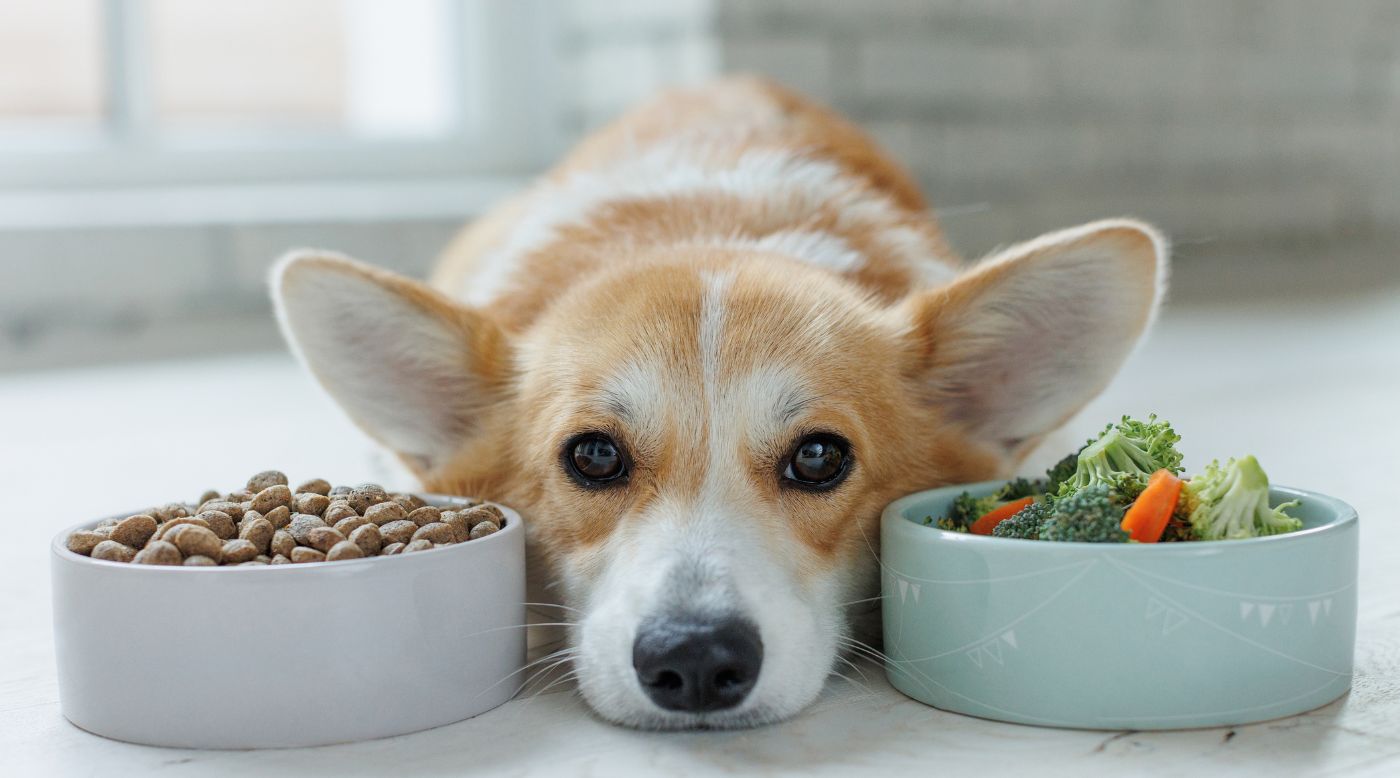
Winter brings a sense of calm to everyday life. Walks become shorter, life moves indoors, and routines change. Many dogs react to this with more sleep and less activity. But owners often notice something else in winter: the food bowl stays untouched.
Some dogs eat more slowly, others skip meals altogether, or seem hesitant when chewing. It's easy to worry that something might be wrong. In many cases, however, the cause isn't in the stomach, but where eating begins – in the mouth.
In this article, we explain why many dogs eat less in winter , what role cold, dry air and sensitive teeth play, and how you can gently support your dog so that eating becomes enjoyable again – without pressure and without jumping to conclusions.
Cold weather affects more than just the outside temperature.
Low temperatures affect the entire body. The body switches into energy-saving mode, movements become calmer, and metabolic processes slow down. The sensation of hunger can also change as a result. This alone is perfectly normal in winter.
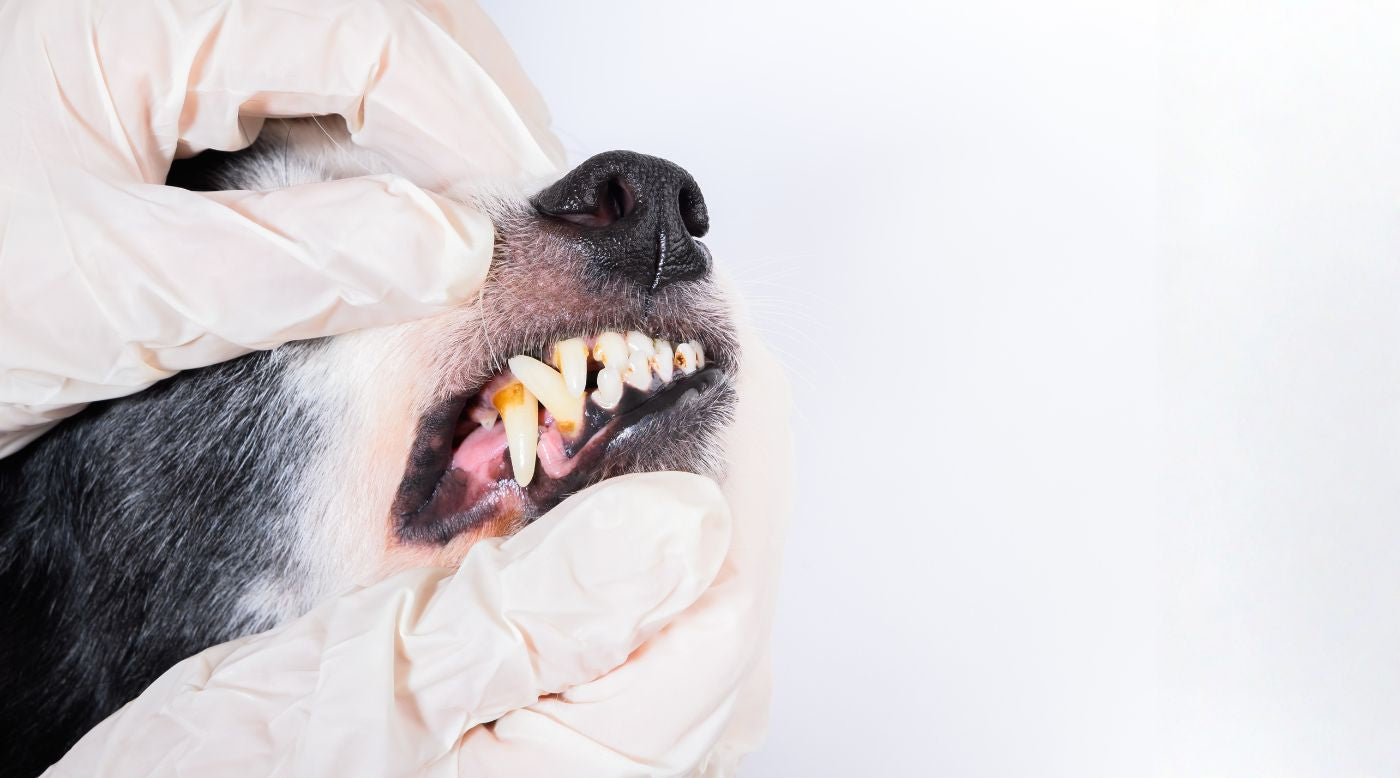
The mouth area is particularly sensitive. Cold air outside, dry air from heating inside, and altered blood circulation make teeth and gums more susceptible to irritants . Minor irritations that are barely noticeable in summer can now become apparent.
The gums become more sensitive, the necks of the teeth can be tender, and the entire chewing sensation changes. Eating no longer feels automatically pleasant. Many dogs react by eating more slowly, taking breaks, or avoiding certain types of food.
Especially in winter, when these stresses coincide, it's worth taking a closer look. Often, poor eating isn't a sign of loss of appetite, but rather of discomfort in the mouth.
Sensitive teeth reduce the enjoyment of eating.
Many dogs eat less in winter because chewing becomes uncomfortable . Sensitive teeth, irritated gums, or the beginnings of inflammation can make every bite unpleasant. Particularly hard, very cold, or dry food is then often avoided.
The tricky part is that dogs rarely show clear signs of toothache. Instead of whining or visibly suffering, they change their behavior gradually. They chew on one side only, leave certain parts of their food, swallow hastily, or withdraw while eating. Some dogs keep getting up, return later, or abandon their food bowl altogether.
This behavior is more common in winter. Cold weather increases sensitivity, and dry air can further irritate the gums. What was tolerated in summer now feels unpleasant. For the dog, this isn't defiance, but a protective reaction.
If this signal is overlooked, the problem can become entrenched. The dog increasingly associates eating with discomfort and, in the long run, loses its enjoyment of meals. Therefore, it is all the more important to recognize early on that oral comfort plays a central role in appetite .
Dry air impairs mucous membranes and taste.
In winter, indoor air is often significantly drier than in other seasons. Heaters run constantly, and windows are opened less frequently. This dry air directly affects the mucous membranes in your dog's mouth and alters the overall feel of their mouth.
Saliva production can decrease, leaving the mouth feeling dry. Yet saliva is crucial for several processes simultaneously. It ensures a pleasant chewing sensation, supports the sense of taste, and plays an important protective role for teeth and gums. Without this natural protective film, eating quickly becomes unpleasant.
Many dogs are very sensitive to this. The food tastes different, is harder to salivate over, or simply doesn't feel good in the mouth anymore. Particularly dry or very firm foods are then avoided. The appetite doesn't suffer because the dog isn't hungry, but because eating becomes less comfortable.
Furthermore, dry mucous membranes are more sensitive to minor irritations. Even slight plaque buildup or minimal gum irritation can now be more noticeable. This further intensifies the discomfort and causes the dog to become hesitant to eat.
Especially in winter, it's important to consciously relieve pressure on the mouth area and ensure your dog feels comfortable while eating. Only when the mouth is balanced can eating be enjoyable again.
Why winter exacerbates problems
In January, several stressors combine to reinforce each other. Less exercise , more rest, dry air from heating, and cool temperatures all affect your dog's body simultaneously. The organism functions more slowly overall and reacts more sensitively to stimuli that would hardly be noticeable at other times of the year.
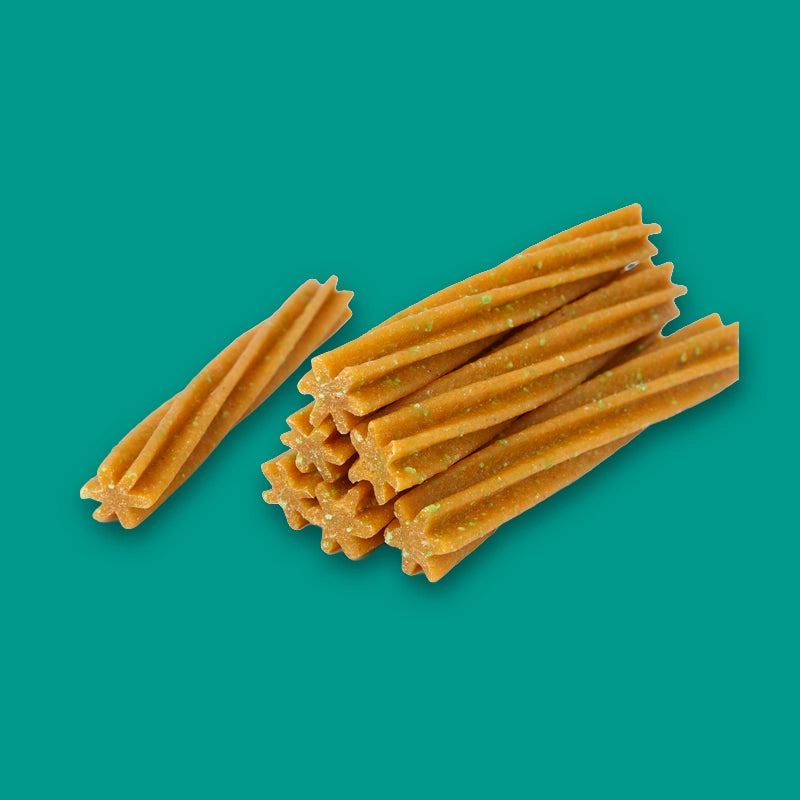
Added to this is the period leading up to winter. During the pre-Christmas season, many dogs received more snacks, chew toys, or special treats. This additional strain on teeth and gums often has lasting effects , even when daily life becomes quieter again in January. Small plaque deposits, minor irritations, or sensitive areas in the mouth remain and are now more noticeable.
This combination causes minor issues in the mouth to suddenly become noticeable . What was previously compensated for now becomes significant. Many dogs therefore show signs of discomfort while eating for the first time in winter, even though they were otherwise considered good eaters.
Gentle dental care for improved oral well-being
Especially in winter, many dogs are more sensitive to stimuli in their mouths. Pressure, rough scrubbing, or unfamiliar movements can worsen the discomfort instead of helping. Therefore, thorough yet gentle dental care is essential during this time.
Gentle dental care addresses this issue directly. It supports the oral cavity in regaining its balance without further irritating sensitive areas. The goal is not to force "perfectly clean teeth" immediately, but to soothe the mouth and simultaneously reduce bacterial load.
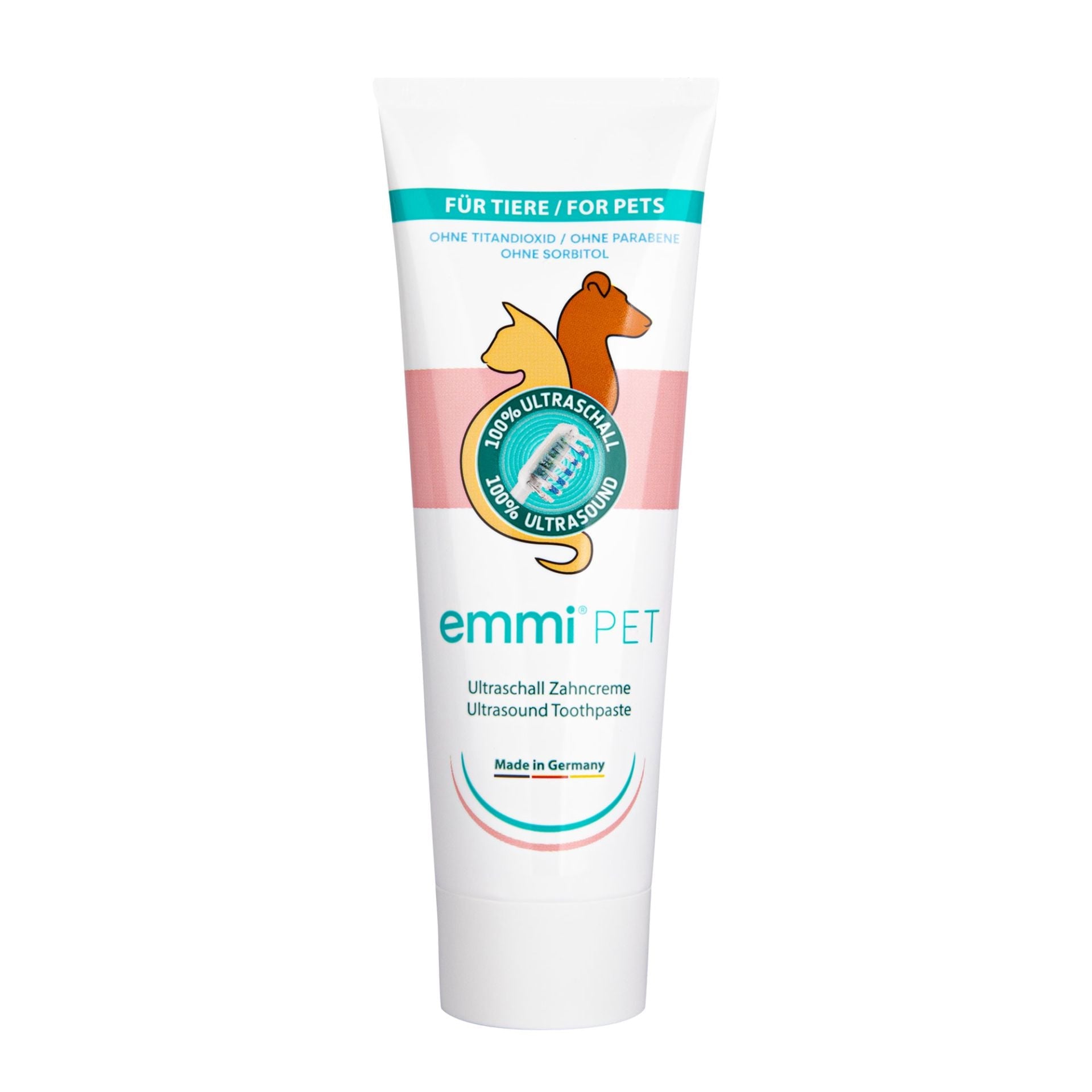
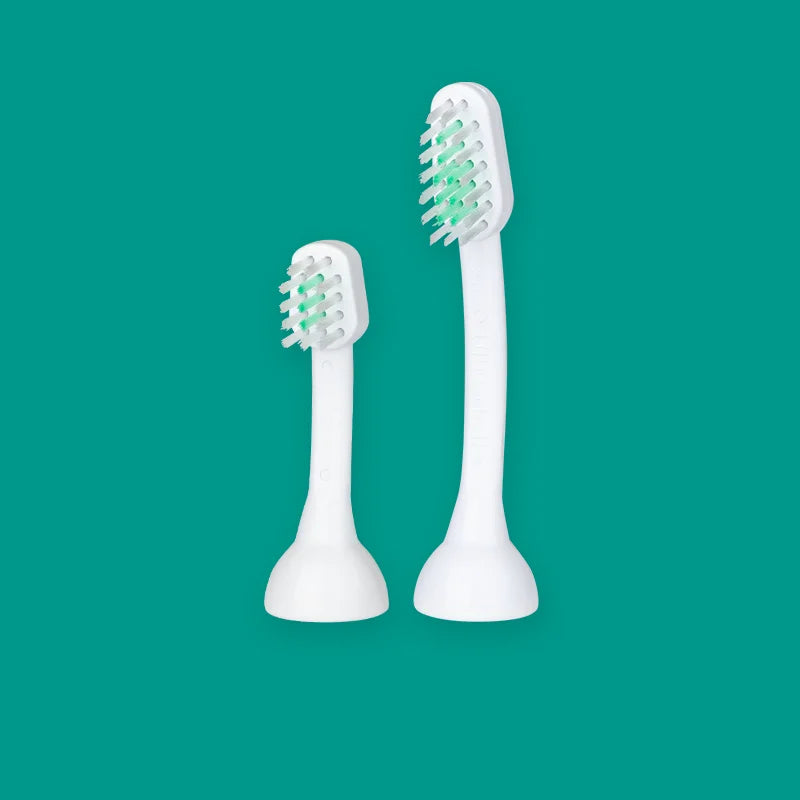
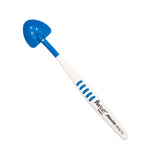
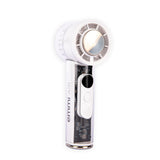
The emmi-pet ultrasonic toothbrush works without mechanical movement and without noise. The ultrasound is effective even in sensitive areas such as the gum line or between teeth, without exerting pressure . This is a crucial advantage, especially for dogs with sensitive teeth or irritated gums.
Many dogs find this form of dental care pleasant because it is calm and not associated with unpleasant stimuli. If used regularly, it can soothe the mouth and reduce harmful bacteria.
Dental care affects appetite
A pleasant feeling in the mouth is a fundamental requirement for dogs to eat happily and calmly. When teeth and gums are not painful or irritated, chewing is easier , the dog takes its time with its meal, and eats more evenly.
Dogs whose mouths feel comfortable often show a noticeable change in their eating behavior. They appear more relaxed, chew more calmly, and leave less food behind. Their appetite doesn't return because the dog is hungrier, but because eating is enjoyable again.
A calm dental care routine can support this effect. Especially in the evening, in a relaxed atmosphere, dental care can be easily integrated into everyday life. It is then not experienced as an additional stress factor, but as part of a familiar ritual that provides a sense of security.
Small adjustments for everyday winter life
Besides dental care, small changes can also be made in everyday life to improve oral comfort. Lukewarm food , softer consistencies, or avoiding very cold snacks relieves sensitive teeth. A calm, unhurried eating environment also helps the dog eat more relaxed.
The most important thing is to observe carefully. Changes in eating habits are not mere quirks, but rather warning signs. Those who take these signals seriously can intervene early and prevent winter sensitivity from developing into a long-term problem.