











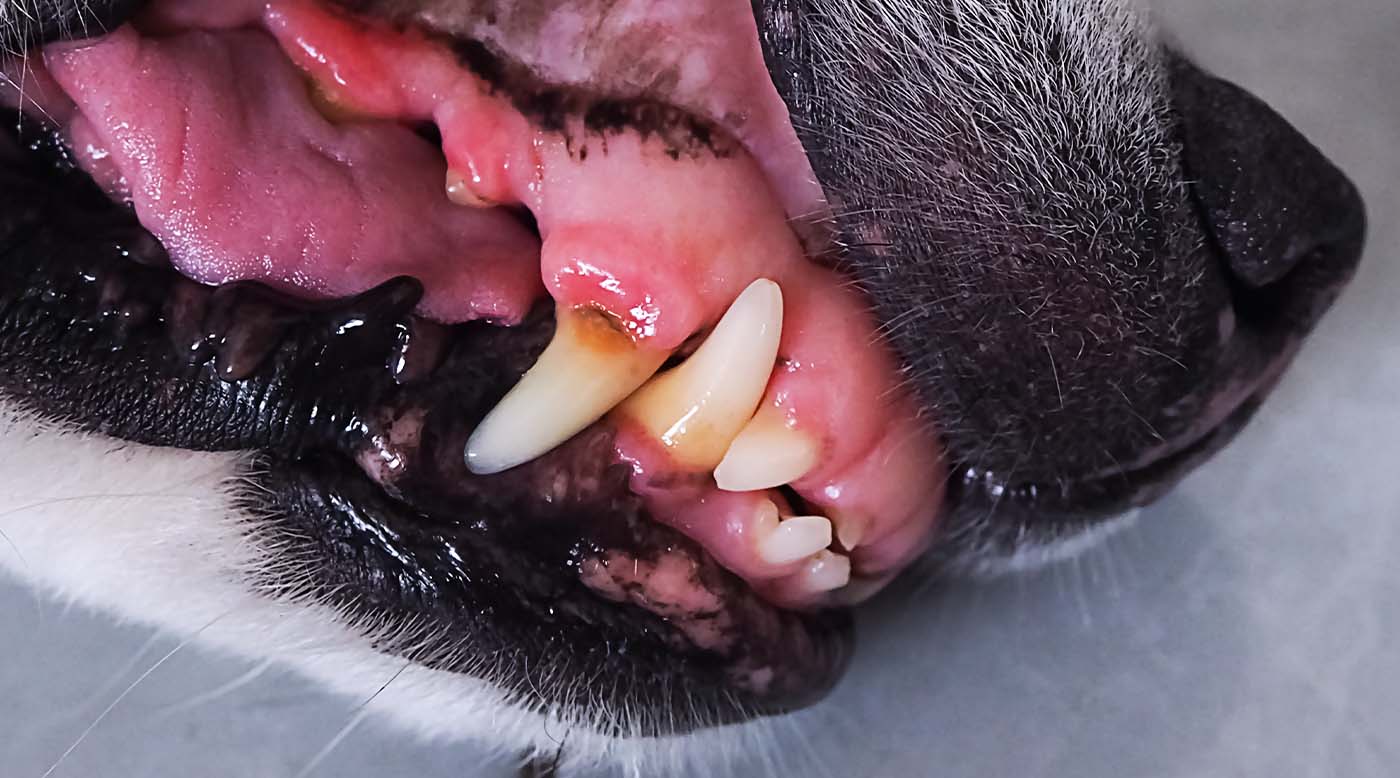
An injury in your dog's mouth is one of those situations that initially unsettles many. It often happens suddenly: during play, while chewing on a stick, or during eating. Your dog behaves differently than usual; perhaps he withdraws or reacts sensitively when you touch his mouth.
In this article, we explain how to recognize a mouth injury in your dog, what initial steps are sensible, and what you should pay particular attention to in order to safely help your four-legged friend. You will get a clear idea of when you can help yourself and when it is important to involve a veterinarian.
Because when it comes to mouth injuries, keeping calm and proceeding deliberately are crucial.
Recognizing a Mouth Injury in Your Dog – Signs You Should Take Seriously
Your dog's mouth area is sensitive and, at the same time, an area you often don't regularly check in everyday life. This is precisely why injuries here are often only noticed when your dog reacts more noticeably.
Typical signs can vary greatly. Some dogs immediately show that something is wrong. Others try to compensate for a long time. This is why it is important to pay attention to small changes.
A common signal is altered eating behavior. Your dog eats more slowly, drops food, or completely avoids hard food. Increased drooling can also be an indicator, especially if it occurs suddenly.
Similarly, your dog might lick his mouth more often or try to reach it with his paw. Some dogs appear generally more restless or withdraw because they cannot understand the pain. Blood in the mouth or an unpleasant odor are clear signs that you should take seriously.
However, not every injury is immediately visible. Whether
- Small tears in the gums,
- Pressure points or
- Irritations
All of this can be unpleasant without you noticing it at first glance. This is precisely why your intuition about your dog is so important. If you notice that something has changed, it is worth taking a closer look.
First Aid for Mouth Injuries – What You Can Do Specifically
If you suspect your dog has a mouth injury, your first impulse is often to act immediately. This is understandable, but it is important to keep a clear head here.
The first step is always to calm your dog. Speak to him gently, avoid frantic movements, and make him feel that there is no additional danger. Your behavior directly affects him.
Afterward, you can carefully try to take a look inside his mouth. It is important not to apply pressure and not to force your dog. If he clearly shows that he is uncomfortable, you should respect that.
If you can identify an injury, it helps to roughly classify it. Small superficial injuries can often heal on their own, while deeper wounds, severe bleeding, or foreign bodies should always be checked.
When in doubt, it is always better to go to the vet once too often than once too seldom.
It is also important to give your dog peace during this phase. Avoid hard chew toys, intensive play, or situations where the mouth is further stressed. Your goal is to give your dog time without stressing him further.
When You Absolutely Should Go to the Vet
Even if you can help your dog in many situations yourself, there are clear limits that you should be aware of. The mouth area is sensitive, highly vascularized, and at the same time difficult to fully inspect. This is precisely why it is easy to underestimate the depth or extent of an injury.
If your dog is bleeding heavily or the bleeding does not stop after a short time, you should not wait. The same applies if your dog shows clear signs of pain, does not allow himself to be touched, or keeps his mouth completely closed. These reactions are clear indications that there may be more behind it than a superficial irritation.
Foreign bodies also play a major role. Small splinters of wood, bone fragments, or hard particles can get stuck in the gums or between the teeth. These are often not immediately visible but can lead to inflammation or abscesses if they remain in the tissue. If you are unsure, the vet is always the right decision.
Another point that is often underestimated is the development over time. Sometimes an injury appears harmless at first but worsens after one or two days. Swelling, an unpleasant odor, or altered behavior are then indications that a more thorough examination is necessary. Observation is just as important here as the initial assessment.
Common Causes of Mouth Injuries in Dogs
If you pay attention, you will quickly realize how many potential triggers there are in everyday life. Dogs explore their environment with their mouths. They chew, carry, play, and test things out. This is exactly what makes them so curious, but it also carries a certain risk.
A classic trigger is sticks. Many dogs love to carry them or chew on them. But precisely here, splinters can form that get stuck in the mouth or cause small injuries. The situation is similar with hard bones or very firm chew toys that can break or become sharp-edged.
Toys can also play a role, especially if they are damaged. Tears, hard edges, or loose parts can lead to injuries during play without being immediately noticeable.
Another factor is your dog's own strength. During intensive chewing or pulling, the gums can be overstressed or small tears can occur, especially if your dog is very active or likes to work with pressure. Most mouth injuries are not caused by a "big accident," but by small, repeated stresses. This is precisely why it is worthwhile to regularly check your dog's mouth and consciously choose materials.
Dental Care After a Mouth Injury – What is Really Important Now
After a mouth injury, the situation changes noticeably for your dog. Areas are more sensitive, the tissue reacts more delicately, and even normal movements can feel unusual. This is why dental care should also be adapted during this phase.
The most important point is rest. Your dog needs time for the tissue to recover. At the same time, this does not mean that you should completely stop care. Because precisely now, plaque can accumulate more quickly because your dog chews less or avoids certain areas.
Here, a sensitive approach is crucial. You should not create additional stress, but still ensure that the mouth area remains clean. Gentle care is more important than intensive cleaning during this phase.
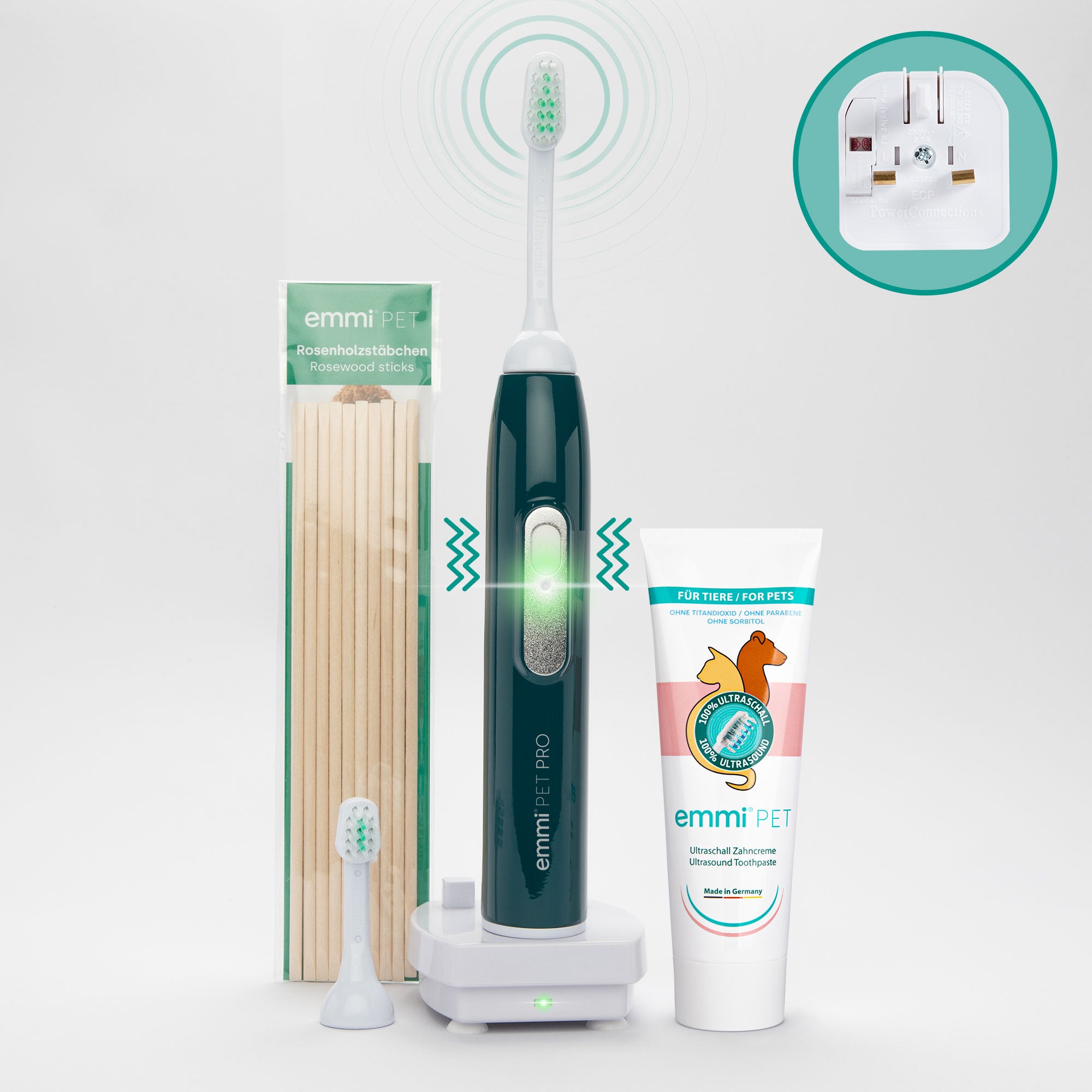
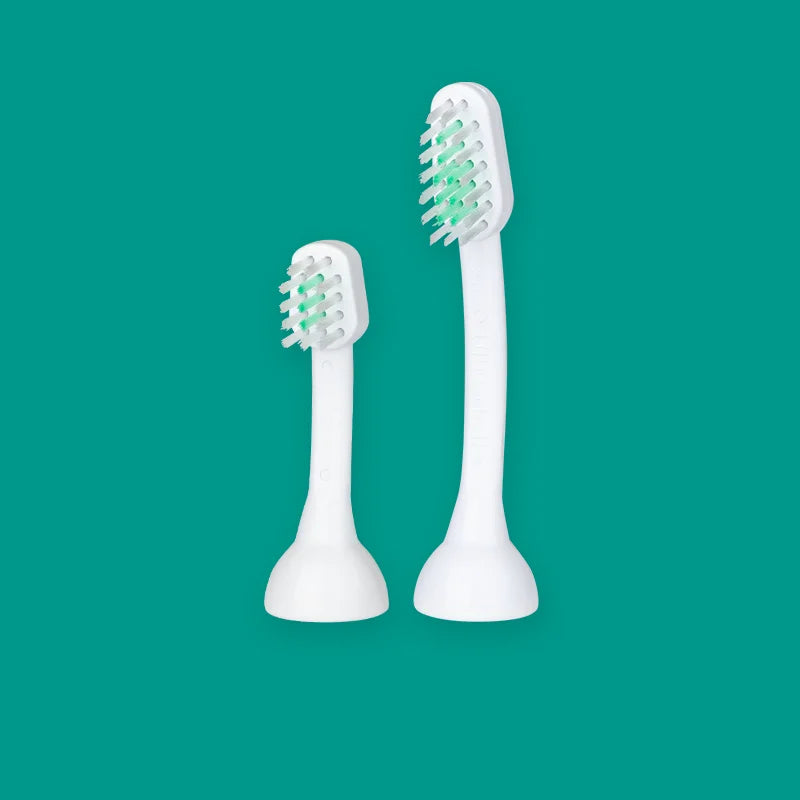
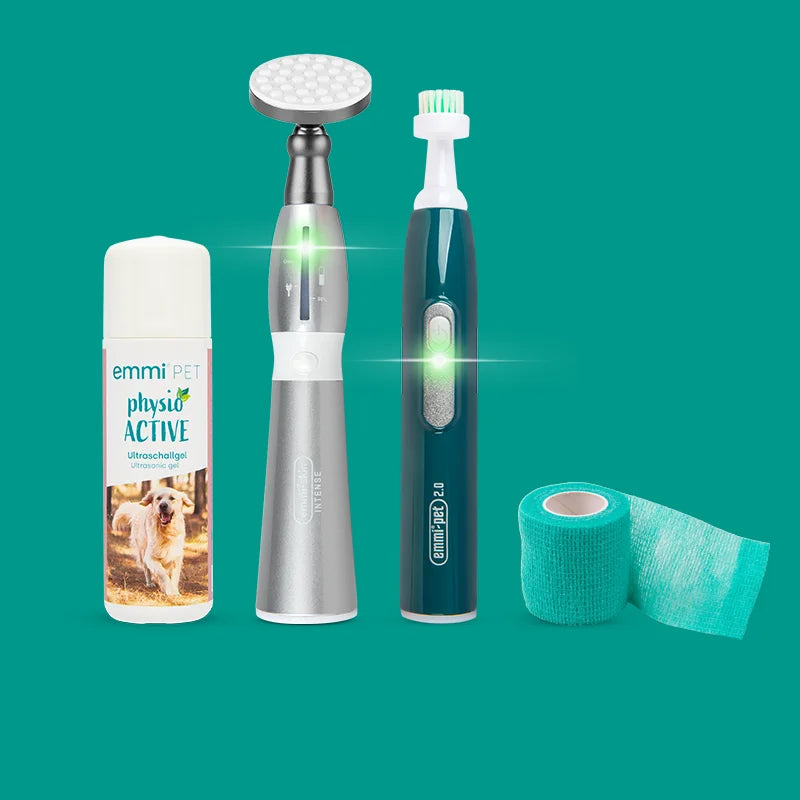
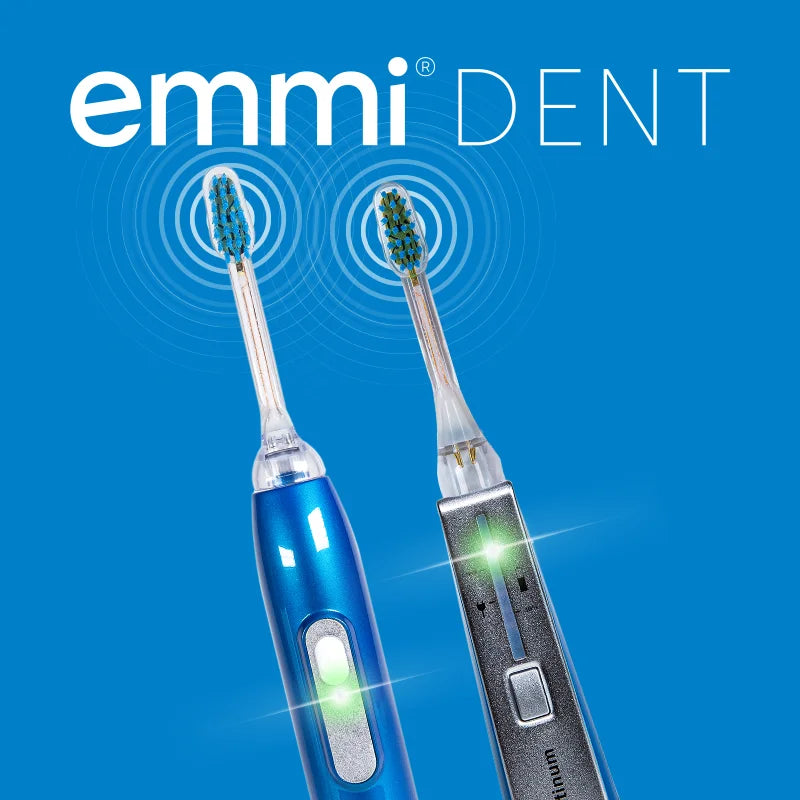
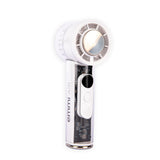
Precisely at this point, our emmi-pet NEO ultrasonic toothbrush for dogs can support you. It was developed to adapt dental care individually to your dog and at the same time make it as stress-free as possible.
Due to the completely silent and vibration-free application, your dog remains relaxed. There is no additional stimulus that could unsettle him. Especially after an injury, this is a decisive advantage, because your dog reacts more sensitively anyway.
The optimized ultrasonic performance works where conventional dental care often reaches its limits. At the same time, you can precisely decide what your dog needs at that moment with the three individually selectable modes. Less pressure, more control, and care that adapts to the situation.