







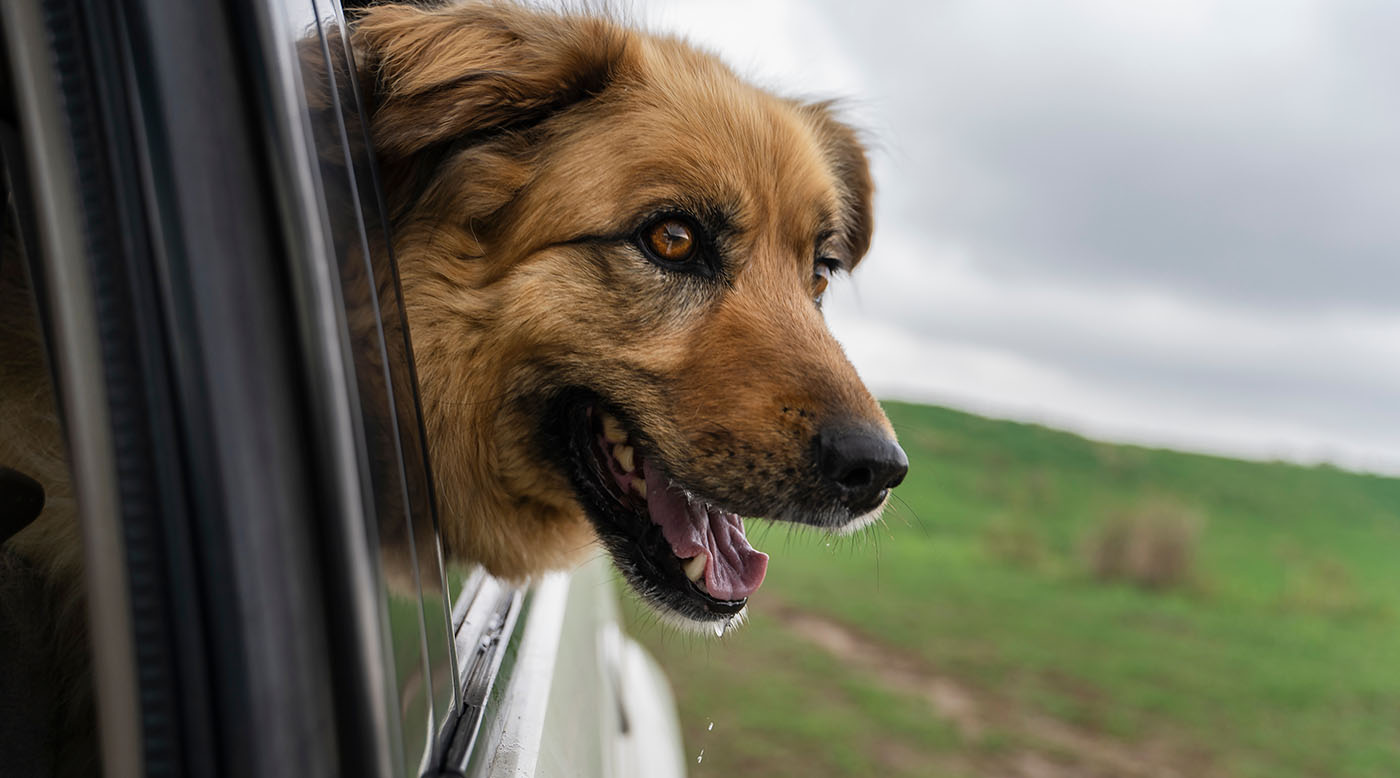
Perhaps you know the situation: as soon as the car starts, small strings of saliva form around your dog's jowls. After a few minutes, this turns into heavy drooling, and the back seat is significantly wetter than before the ride. Many dog owners experience this regularly and wonder whether this behavior is normal or could indicate a health problem.
Indeed, excessive salivation can have many different causes. Some dogs react to car rides with stress or excitement. Others suffer from a mild form of motion sickness, similar to people who get nauseous when driving. At the same time, problems in the mouth area can also cause dogs to salivate more. Especially if drooling occurs not only in the car but also in other situations, a closer look is worthwhile.
Saliva fulfills important functions. It aids digestion, keeps mucous membranes moist, and protects the mouth from certain stresses. However, if the body produces significantly more saliva than usual, there is often a trigger behind it. This reason is not always immediately apparent.
In this article, we explain why your dog might drool more on the go or in the car, what role stress, motion sickness, and oral health play, and how to recognize when a veterinary check-up is advisable.
Why some dogs drool more on the go
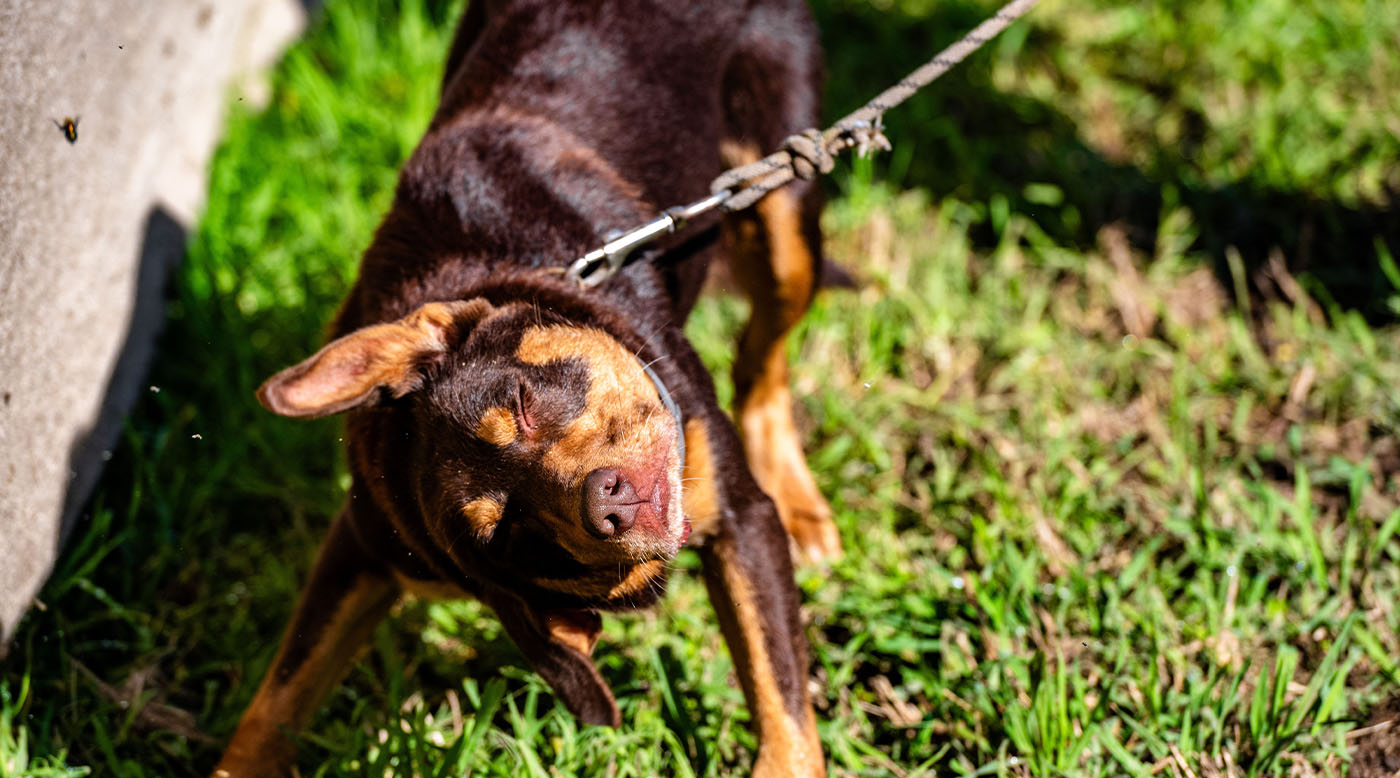
Salivation is initially completely normal. Dogs produce saliva daily to keep their mouths moist and aid in food intake. Some breeds naturally drool more than others. Especially dogs with pronounced jowls often lose more saliva without a health problem being present.
It's different when salivation suddenly increases or occurs mainly in specific situations. Many dogs start drooling as soon as they see the car or notice that a trip is imminent. The body reacts to a stimulus that is perceived as unpleasant or exciting.
For some dogs, car rides mean anticipation of an outing or a walk. Others associate the vehicle with vet visits, longer journeys, or unpleasant experiences. Even the anticipation can be enough to trigger physical reactions. These include panting, restlessness, trembling, and increased salivation.
In addition, the organism reacts sensitively to movements and balance stimuli. The brain constantly processes information about speed, curves, and changes in direction during a ride. If the sense of balance is overwhelmed, nausea can occur. Similar to humans, increased salivation is one of the first physical reactions.
Therefore, it is important to observe not only the drooling itself but also the situation in which it occurs. The circumstances often provide crucial clues to the actual cause and help to better classify your dog's behavior.
Stress, excitement, and motion sickness as possible causes
When a dog drools heavily in the car, it is often not due to an oral disease but a reaction to the situation itself. Stress, insecurity, or motion sickness are among the most common triggers.
Many dogs show signs of tension even before the journey begins. They wander restlessly, pant more, or don't want to get into the car. In such moments, the body releases stress hormones. These affect numerous bodily functions and can, among other things, increase saliva production. Drooling is then a visible sign that your dog perceives the situation as stressful.
In addition to stress, motion sickness also plays an important role. Young dogs are particularly often affected because their balance system is not yet fully developed. During the journey, the brain receives different information. The eyes perceive the car interior as largely calm, while the balance organ registers movements. These contradictory signals can cause nausea.
Typical accompanying symptoms include:
- heavy salivation
- frequent yawning
- restlessness or nervousness
- panting
- swallowing or smacking
- vomiting on longer journeys
Interestingly, these symptoms often improve in many dogs with age or through positive training. Those who gradually introduce car rides and associate them with pleasant experiences can often observe significant progress. Short trips to nice walks or outings help many dogs perceive the car more positively.
If drooling occurs exclusively during or immediately before car rides, this often points more towards stress or motion sickness than a health problem in the mouth. Nevertheless, a closer look at the overall picture is worthwhile, especially if additional symptoms appear or salivation becomes noticeable outside of car rides.
What role mouth and teeth can play
The car itself is not always the cause. If a dog suddenly drools more frequently or this is also observed in other everyday situations, oral health should also be considered. Problems in the mouth are among the most common health causes of increased salivation.
Even minor irritations can cause the salivary glands to work harder. Inflamed gums, bacterial plaque, small injuries to the mucous membrane, or damaged teeth can cause an uncomfortable feeling in the mouth. The body often reacts to this with increased saliva production.
It is particularly insidious that dogs often hide pain surprisingly well. Many animals continue to eat normally, play as usual, and initially show hardly any noticeable discomfort. Only with close observation do changes become apparent. Some dogs smack their lips more often, lick their jowls more, or seem more cautious when chewing than before.
Gum inflammation also often develops insidiously. Bacterial plaque can accumulate over a long period and irritate the sensitive tissue. Increased salivation is often only one of several possible signs. In addition, there may occasionally be bad breath, altered eating behavior, or increased sensitivity when touching the muzzle.
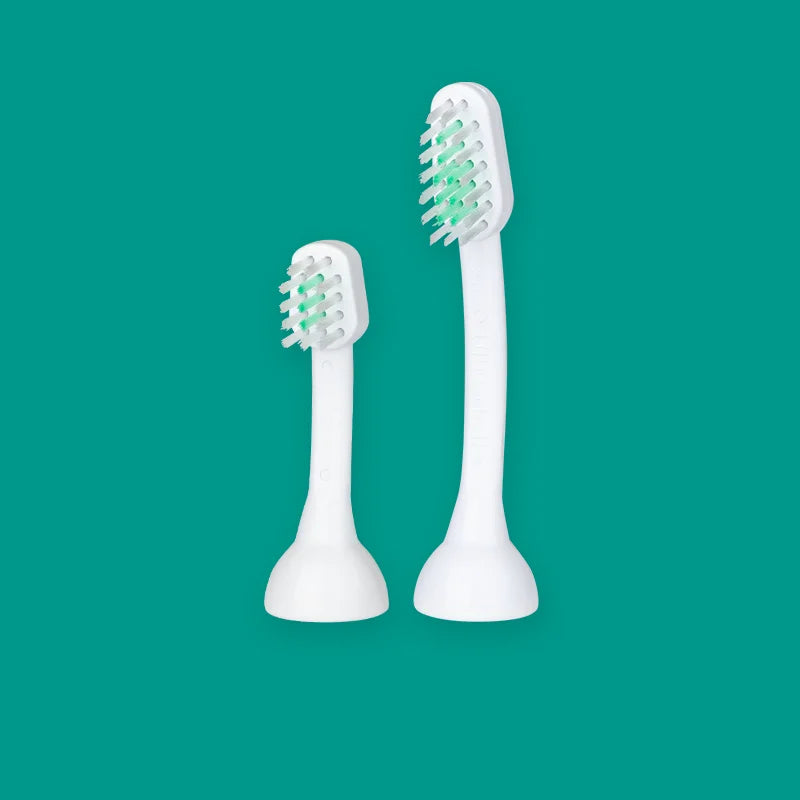
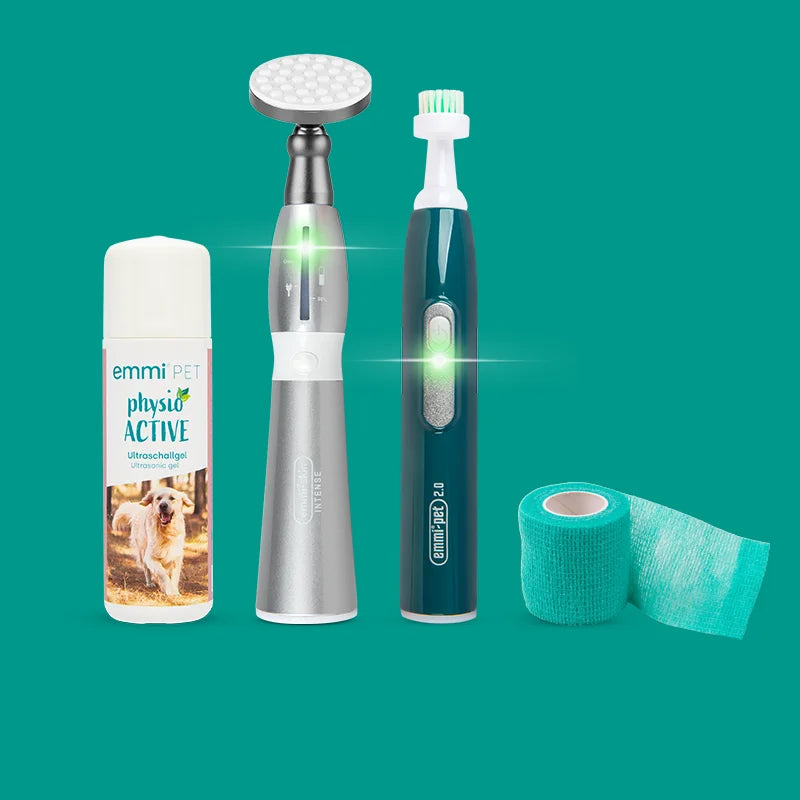
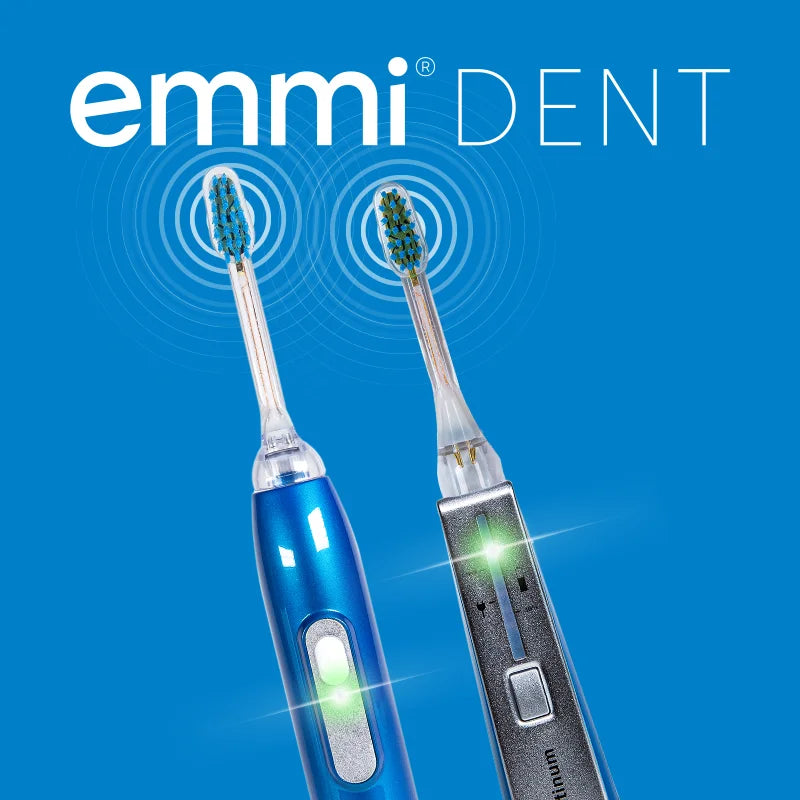
Regular oral checks can help detect changes early. Many pet owners therefore integrate our emmi-pet ultrasonic toothbrush into their daily grooming routine. It can help reduce bacterial plaque and support oral hygiene. Precisely because many problems arise insidiously, consistent care plays an important role in long-term oral health.
Of course, home dental care does not replace a veterinary examination. If drooling occurs suddenly, increases significantly, or is associated with other abnormalities, the cause should always be clarified by a veterinarian.
How to recognize that there might be more behind it
Not every dog that drools in the car is sick. Nevertheless, there are situations where you should look more closely. The crucial factor is whether the salivation occurs exclusively in certain situations or can also be observed in everyday life.
If your dog only drools during car rides and then behaves completely normally again, there is much to suggest stress, excitement, or a form of motion sickness. It's different if drooling suddenly becomes more frequent or additional symptoms appear.
Changes in eating habits, for example, can be noticeable. Some dogs chew more cautiously, drop food, or show less interest in chew toys. Frequent smacking, increased swallowing, or constant licking of the jowls can also indicate oral discomfort.
Furthermore, you should pay attention if your dog:
- develops bad breath
- avoids touching its head
- frequently paws at its muzzle
- shows visible swelling in the mouth area
- suddenly loses weight
- also vomits or develops diarrhea
Changes in behavior also deserve attention. Dogs that feel unwell sometimes seem quieter than usual or retreat more often. Others react more irritably or sleep more. Such signals are often not initially associated with salivation but can provide important clues.
A veterinary examination is particularly important if drooling starts very suddenly, is severe, or your dog appears to be in pain at the same time. Veterinary diagnoses are always reserved for the veterinarian. The sooner possible causes are identified, the better they can be treated or managed.
What can help your dog on the go
If health causes have been ruled out, there are various ways to make car rides more pleasant for your dog. The goal is to reduce stress and associate the vehicle with positive experiences.
Many dogs benefit from gradual training. This doesn't immediately involve longer journeys. Often, the process begins with the dog sitting relaxed in a stationary car, without the engine running. Short rides of a few minutes can then follow, which are associated with something positive, such as a nice walk.
The design of the vehicle can also make a difference. A secure transport box or a well-secured spot gives many dogs more stability and safety. Fresh air and a comfortable temperature also contribute to improving well-being during the ride.
In addition to the travel situation itself, it is worth taking a look at general health. Good oral hygiene is one of the building blocks that can support your dog's well-being. Many pet owners use our emmi-pet ultrasonic toothbrush as part of their regular grooming routine. It can help reduce bacterial plaque and supplement daily oral hygiene. Precisely because oral problems often go unnoticed for a long time, consistent care can help to detect changes early.
If your dog drools heavily on the go, it's not automatically something serious. Stress, excitement, or motion sickness are often the cause. At the same time, it is worth keeping an eye on oral health, as problems with teeth, gums, or mucous membranes can also lead to increased salivation. Those who observe their dog carefully, take changes seriously, and ensure regular preventative care create the best conditions for relaxed journeys and good well-being in everyday life.